
Do the Hard Thing First: A Practical ‘Eat the Frog’ Guide
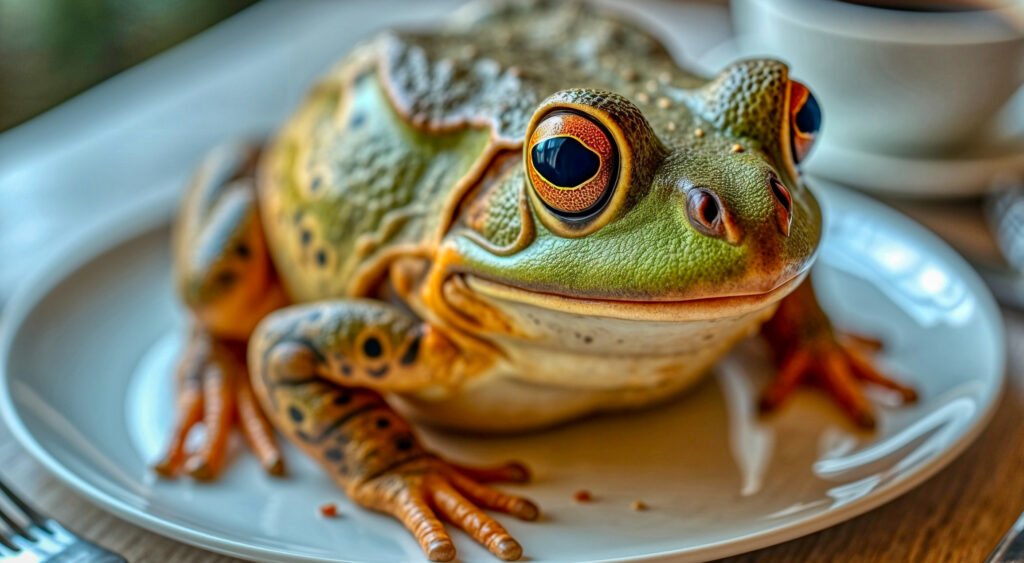
“If it’s your job to eat a frog, it’s best to do it first thing in the morning. And if it’s your job to eat two frogs, it’s best to eat the biggest one first.”
-a saying often (mis)attributed to Mark Twain, but rooted in an old French proverb.
No one wakes up eager to eat the frog—that’s the point. Your frog is the task you’re most likely to avoid: the difficult conversation, the project you’ve been putting off, the financial review gathering dust. It’s the task that drains your energy simply by sitting on your list. Eating it first thing in the morning clears the weight, gives you a surge of momentum, and sets the tone for the day.
Why Start with the Frog?
Psychologists have found that willpower is highest earlier in the day and drains as decisions pile up—a phenomenon called decision fatigue. Tackling your hardest task while your energy is fresh prevents procrastination from creeping in later.
There’s also the Zeigarnik effect: unfinished tasks occupy mental space and distract us until they’re completed. That’s why your frog feels heavier the longer you stare at it. Eating it early clears the mental clutter. And as Harvard research shows through the Progress Principle, making meaningful progress is one of the biggest motivators we have. Your frog, once finished, gives you that hit of progress that fuels everything else.
Knowing the psychology is one thing. Putting it into practice is where most of us stumble.
How to Eat the Frog
Eating the frog goes best with preparation. Before you end your day, decide which task is tomorrow’s frog. Write it down in specific terms: not “work on presentation” but “create outline for Q4 presentation and draft first three slides.” Make it clear and non-negotiable.
If your frog feels overwhelming, break it into bite-sized pieces that you can tackle in 25-30 minute chunks. A financial review might become: “gather last three bank statements,” “categorize September expenses,” and “update budget spreadsheet.” Each piece should feel doable, even if the whole project feels daunting.
This preparation step is more than practical—it’s psychological. Procrastination isn’t laziness; it’s often avoidance of negative emotions. By naming your frog specifically and prepping your workspace (tidying your desk, laying out what you’ll need, closing distracting browser tabs), you reduce friction and make it easier to start than to stall.
Preparation Beats Procrastination
Here’s how this played out for me recently: I’d been avoiding exercise for months. My health was slipping, my mood was off, and work was harder to focus on—but every time I thought about working out, my brain served up excuses. By Sunday night, staring down yet another skipped Monday, I finally admitted the truth: this was my frog.
So I stopped relying on willpower and set myself up to win. I locked in a bedtime and wake-up goal, laid out my clothes, filled a water bottle, charged my headphones, prepped vitamins, and silenced my phone. In short, I stripped away every excuse before morning arrived.
The difference was dramatic. When the alarm went off, I didn’t negotiate with myself—I just moved. The workout left me sharper, lighter, and proud of following through. Even better, I tied it to a reward—my first cup of coffee—which reinforced the habit. What finally worked wasn’t raw motivation; it was preparation that left my brain no escape hatch.
After the Frog: Momentum and Relief
The best part of eating the frog isn’t just being done—it’s the rush of relief and momentum that follows. That moment of completion reinforces your self-efficacy, your belief that you can do hard things. From there, the rest of your tasks feel lighter. It’s like carrying a backpack: once you’ve dropped the heaviest rock, the smaller ones barely register.
Building Your Frog-Eating Habit
Eating frogs isn’t just a daily tactic—it’s a habit that compounds. Keep a simple log of your frogs: what they were, how you approached them, and how you felt afterward. Over time, you’ll build a record of resilience. Even the misses—days when the frog got away—are valuable, because they teach you where your process needs adjusting.
That record isn’t just about productivity; it’s about self-trust. Each completed frog is proof that you can show up for yourself when it matters. And when you string enough of those days together, motivation stops being something you chase and starts being something you’ve built through evidence.
What Comes After the Frog
The beauty of eating the frog is the freedom it unlocks. With the hardest thing behind you, the rest of the day opens up—less dread, more flow. But let’s be honest: some days require eating multiple frogs.
Take my Monday, for example. Exercise wasn’t my only frog—I also needed to draft and finalize this article. When deciding which to tackle first, I drew on self-awareness: I know from experience that morning workouts give me the biggest reward and set me up for success throughout the day. So exercise would always be my first frog.
After the workout, I felt accomplished and energized, but also somewhat tired from being out of shape. It felt a little like starting over with the second frog. But I carried that momentum to my office, let in some natural light, and started thinking about the article. I began with a basic outline—just four paragraphs initially—then worked through each section starting with the title and quote. As I wrote, I realized more information was needed to tie everything together, so I added the “Why Start with the Frog?” section. The momentum from the first frog didn’t eliminate the effort required for the second, but it did give me proof that I could tackle difficult things that day.
Sequence Your Frogs, Build Momentum
The key with multiple frogs is knowing yourself and sequencing strategically. Some frogs energize you for what’s next; others drain you completely. Some are best done when your mind is sharp; others when you just need to push through. Tomorrow there will be another frog—or several—but by then you’ll have both a routine and a track record that make it easier to face. And with each one you eat, you’re not just getting things done—you’re proving to yourself that you can handle what matters most.
So what’s your frog for tomorrow? Name it tonight, prep for it, and commit to eating it first thing. Better yet—declare it. Write it down, tell a friend, or share it here. Sometimes saying it out loud is the first bite.